
Table of Contents
- The Mechanics Behind Foot Swelling in High Heels
- How Shoe Constriction Affects Your Feet
- Immediate Relief Techniques for Sore, Swollen Feet
- How to Stop Feet From Hurting in Heels
- When to Seek Medical Attention for Heel-Related Swelling
- Frequently Asked Questions
Last Updated: October 1, 2026
The Mechanics Behind Foot Swelling in High Heels
High heels are beautiful but brutal on your feet. Understanding why feet swell high heels is the first step to preventing it.
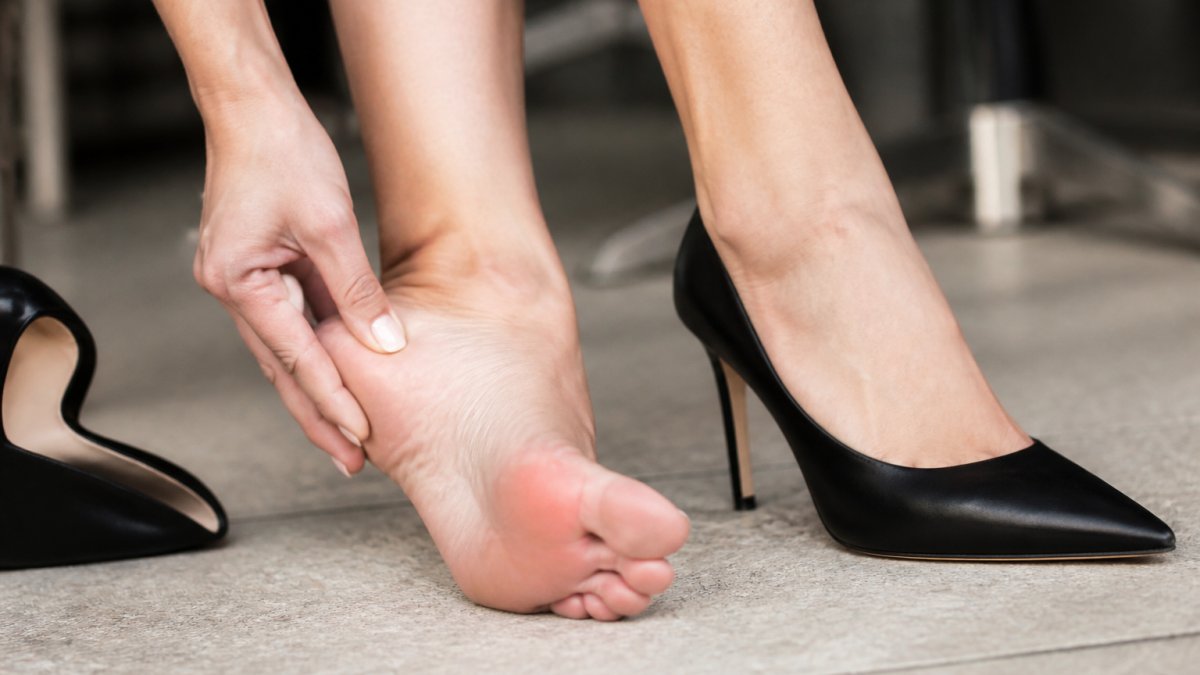
High heels elevate your heel while your toes stay grounded, creating an unnatural angle that causes swelling, pain, and feet that feel twice their normal size by day's end.
How Heel Height Disrupts Circulation
When you wear high heels, the foot angle compresses veins and arteries, disrupting venous return, the process that moves blood from your lower extremities back to your heart.
The heel angle makes it harder for blood to flow upward, creating pressure and backup that becomes fluid retention and swelling.
The higher the heel, the worse the problem. A 2-inch heel creates noticeable compression. A 4-inch heel creates significant vascular stress. Research from the American Podiatric Medical Association confirms that heel height directly correlates with increased foot swelling and discomfort during extended wear.
Pressure Points and Metatarsal Stress
High heels change your foot's natural weight distribution system.
In heels, roughly 60% of your weight shifts to the metatarsal heads, the bones just behind your toes, creating concentrated pressure your foot isn't designed to handle for extended periods.
The concentrated pressure builds inflammation and swelling. The narrow toe box adds compression around your toes and ball of your foot, creating dual pressure that amplifies swelling.
Unnatural Foot Positioning and Fluid Retention
Unnatural foot positioning for hours breaks down your body's fluid balance.
When feet swell high heels, it's often because they force your foot into plantar flexion (pointing toes downward), creating sustained muscular contraction that restricts normal fluid movement through tissues.
Gravity traps fluid in your foot tissue, causing swelling of half a size or more by day's end.
How Shoe Constriction Affects Your Feet
Most high heels have a narrow toe box and tight straps designed for aesthetics, not comfort, a major factor in foot swelling.
Tight shoes create pressure points that compress soft tissue and restrict blood flow, triggering a vicious cycle: swelling makes the shoe tighter, increasing pressure and causing more swelling.
Ill-fitting heels dramatically increase swelling, even a half-size too small restricts circulation and puts direct pressure on toes and the metatarsal area.
The Role of Material in Heat and Swelling
Heel material directly affects breathability, heat retention, and fluid accumulation, a factor most heel-swelling advice overlooks.
Leather heels are superior for reducing swelling. Leather allows air circulation, stretches with wear, and regulates temperature better than synthetics, reducing inflammation and fluid retention.
Synthetic materials trap heat and moisture, triggering increased blood flow and perspiration that contribute to swelling. They also don't stretch, fighting your foot's natural expansion and compounding swelling over time.
Satin and fabric heels offer moderate breathability; mesh panels improve airflow compared to solid synthetics.
For extended wear, prioritize leather or breathable materials with moisture-wicking linings, which can reduce swelling by 20-30% compared to non-breathable alternatives.
Fit, Structure, and Pressure Distribution
Look for heels with cushioned insoles, a wider toe box, adjustable straps, reinforced heel counters, and graduated cushioning under high-pressure areas.
A well-constructed 3-inch heel with proper arch support and breathable leather outperforms a poorly made 2-inch heel in synthetic material.
Immediate Relief Techniques for Sore, Swollen Feet
Elevation and rest: Slip off your heels for 15 minutes and prop your feet above heart level to drain fluid. Cold application: Apply ice for 10-15 minutes to reduce inflammation. Stretching and massage: Flex your feet, rotate your ankles, and massage your arch and calves to improve circulation. Hydration: Drink water to reduce fluid retention and support circulation.
Foot Comfort Spray for Ultimate High Heels →
How to Stop Feet From Hurting in Heels
Prevention starts before you put on your heels and continues after you take them off. A complete strategy covers preparation, during-wear support, and structured post-event recovery.
Pre-Event Preparation (24-48 Hours Before)
Your feet perform better when they're properly conditioned. Two days before a major event, begin a simple preparation routine.
Hydration and diet matter more than most people realize. Sodium intake directly affects fluid retention. In the 48 hours before wearing heels for extended periods, reduce sodium consumption and maintain consistent hydration. Dehydration causes your body to retain fluid as a compensatory mechanism, which amplifies swelling. Aim for at least 8-10 glasses of water daily leading up to the event. Avoid excessive caffeine and alcohol, which are diuretics and can dehydrate you.
The day before the event, soak your feet in warm water (around 100-105°F) for 15-20 minutes. Warm water relaxes your calf muscles and improves circulation. Follow the soak with gentle stretching: point your toes, flex your feet, and rotate your ankles slowly. Hold each stretch for 20-30 seconds. This prepares your muscles for the sustained tension that heels create.
On the morning of the event, repeat the stretching routine. Spend 5-10 minutes on calf stretches, arch flexes, and ankle rotations. This improves circulation and primes your muscles for the stress ahead.
During-Event Comfort and Circulation Breaks
Choose shoes that fit properly, this is non-negotiable. Your heels should be snug but not tight. You should be able to fit one finger between your heel and the back of the shoe. The toe box should have enough room that your toes aren't cramped. A shoe that fits well makes every other strategy more effective.
Wear moisture-wicking socks or go barefoot if the shoe allows it. Cotton socks trap moisture and heat, which increases swelling. Moisture-wicking materials keep your feet dry and cooler, reducing inflammation. Managing these thermal conditions helps mitigate temperature-related swelling, a phenomenon that also affects other extremities as the body regulates heat.
Take circulation breaks every 60-90 minutes. Slip off your heels for even 10-15 minutes and prop your feet up above heart level. Gravity helps drain fluid back toward your heart. If you can't remove your shoes, at least sit down and elevate your feet on a chair. Flex your feet and rotate your ankles while seated to maintain blood flow.
Stay hydrated throughout the event. Drink water consistently. This supports healthy circulation and prevents the dehydration-driven fluid retention that worsens swelling.
Post-Event Recovery Protocol (The Critical Step Most People Skip)
What you do in the 24-48 hours after wearing heels determines how much residual swelling you experience and how quickly your feet recover. This is where most heel-swelling advice falls short, there's no structured recovery protocol.
Immediate recovery (first 30 minutes after removing heels):
Remove your heels immediately when the event ends. Don't wait.
Short-term recovery (2-6 hours after the event):
Overnight and next-day recovery:
Choosing the Right Heel Height and Fit
The height of your heel directly impacts swelling. A 2-inch heel is dramatically more comfortable than a 4-inch heel for extended wear. If you're planning to wear heels all day, consider a lower heel or a wedge heel, which distributes weight more evenly than a thin stiletto.
- Cushioned insoles that support the arch
- A wider toe box that allows natural toe positioning
- Adjustable straps that you can loosen if needed
- Breathable materials that allow air circulation
- Graduated cushioning under high-pressure areas
When to Seek Medical Attention for Heel-Related Swelling
Most foot swelling from high heels is temporary and resolves with rest and elevation. But sometimes swelling signals something more serious.
See a doctor if:
- Swelling persists for more than 48 hours after removing your heels
- You experience severe pain that doesn't improve with rest
- Your foot shows signs of infection (redness, warmth, pus)
- You develop numbness or tingling that doesn't resolve
- Swelling is accompanied by calf pain or warmth (this could indicate a blood clot)
- You have a history of circulation problems or blood clots
| Swelling Cause | What Happens | Relief Strategy |
|---|---|---|
| Heel height elevation | Disrupts blood circulation back to heart | Elevation, lower heels, circulation breaks |
| Metatarsal pressure | 60% of weight concentrates on ball of foot | Cushioned insoles, wider toe box |
| Shoe constriction | Tight materials restrict natural foot expansion | Proper fit, breathable materials |
| Unnatural foot positioning | Sustained muscle tension traps fluid | Stretching, massage, rest |
| Prolonged wear | Cumulative inflammation and swelling | Pre-event and post-event recovery |
Frequently Asked Questions
How do I stop my feet from swelling in heels?
Foot swelling in heels results from restricted blood flow, fluid retention, and pressure on the metatarsal area. To reduce swelling, apply a cooling foot spray like Still Standing® before putting on your heels to soothe and refresh tired feet. During the event, elevate your feet when possible, remove your shoes for short breaks, and stay hydrated. After wearing heels, soak your feet in cool water, and stretch your calves and arches to promote venous return and reduce edema.
Why do my feet swell more after wearing heels all day?
Extended heel wear compounds swelling because continuous pressure on the metatarsal head restricts blood flow and prevents proper venous return. The unnatural foot positioning forces your body to work harder to pump blood back from your feet to your heart. Over hours, fluid accumulates in soft tissues, causing inflammation and edema. Heel height matters: the higher the heel, the greater the biomechanical stress and the faster swelling develops.
Can I wear high heels if I have a tendency to swell, or should I avoid them completely?
You don't have to avoid heels if you prepare properly. Choose heels with lower heights (under 2 inches when possible), wider toe boxes, and cushioning support to reduce pressure points. Apply Still Standing® Foot Comfort Spray before wearing your heels to help prevent discomfort. Take breaks to remove your shoes, stay hydrated, and use elevation and stretching during recovery. If swelling is severe or accompanied by pain, redness, or warmth, consult a podiatrist to rule out underlying conditions like lymphedema or vascular issues.
Does the type of heel material affect foot swelling?
Yes, heel material impacts comfort and swelling. Rigid materials offer less give and increase pressure concentration on the foot, while flexible materials distribute pressure more evenly. Heels with cushioning in the insole and arch support reduce metatarsal pressure and improve blood flow. The toe box width also matters: narrow toe boxes compress your forefoot and restrict circulation, accelerating swelling. Breathable materials help reduce heat buildup, which can worsen inflammation and fluid retention in your feet.