
Table of Contents
- Why Numbing Sprays Fail and What Safe Foot Relief Looks Like
-
The 7-Step Safe Foot Relief Routine for Daily Wear
- Step 1: Start with a Cooling, Non-Numbing Spray
- Step 2: Choose Footwear That Works With Your Feet
- Step 3: Stretch Before You Stand
- Step 4: Use Inserts and Arch Support Strategically
- Step 5: Manage Swelling as It Happens
- Step 6: Modify Your Workspace, Not Just Your Shoes
- Step 7: End the Day with Recovery
- How to Prevent Foot Pain from Standing All Day
- What the Best High Heel Pain Relief Has in Common
- When to See a Podiatrist Instead of Self-Treating
- Your Daily Wear Comfort Plan
- Frequently Asked Questions
Last Updated: September 7, 2026
Most foot pain remedies fall into two camps: numbing sprays that dull sensation and risk dangerous falls, or generic insoles that never quite solve the problem. Safe foot relief for daily wear sits in a different category entirely. It works with your body's natural signals rather than silencing them, addressing the inflammation and swelling that cause pain in the first place.
Still Standing® Spray helps high-heel lovers and professionals who stand all day find comfort without compromising safety. The distinction matters because numbing agents create a false sense of security. When you can't feel your feet, you don't adjust your gait, which leads to falls, strains, and worse injuries. Below, we'll walk through seven proven methods that deliver genuine foot pain relief while keeping you steady on your feet. This is the approach that brides, performers, and daily heel wearers use to last through ceremonies, receptions, and full workdays.
Why Numbing Sprays Fail and What Safe Foot Relief Looks Like
Numbing sprays work by blocking nerve signals, which means you lose the feedback your brain needs to walk safely. The American Podiatric Medical Association guidelines on foot care emphasize that maintaining sensation is critical for balance and injury prevention. When your feet go numb, you're more likely to roll an ankle or misstep, especially on stairs or uneven surfaces.
Safe foot relief is a cooling, anti-inflammatory approach that reduces the swelling and discomfort driving your pain while preserving full feeling in your feet. Think of it as treating the cause rather than hiding the symptom. Ingredients like menthol and plant-derived anti-inflammatories calm the tissue, improve circulation, and ease foot fatigue so you can stand longer without the dangerous side effects of numbing agents.
The 7-Step Safe Foot Relief Routine for Daily Wear
A structured routine beats any single product. These seven steps, applied consistently, address the biomechanics, inflammation, and recovery that determine how your feet feel by hour six of a long day. The goal is to prevent pain before it starts, not just react to it once it appears.
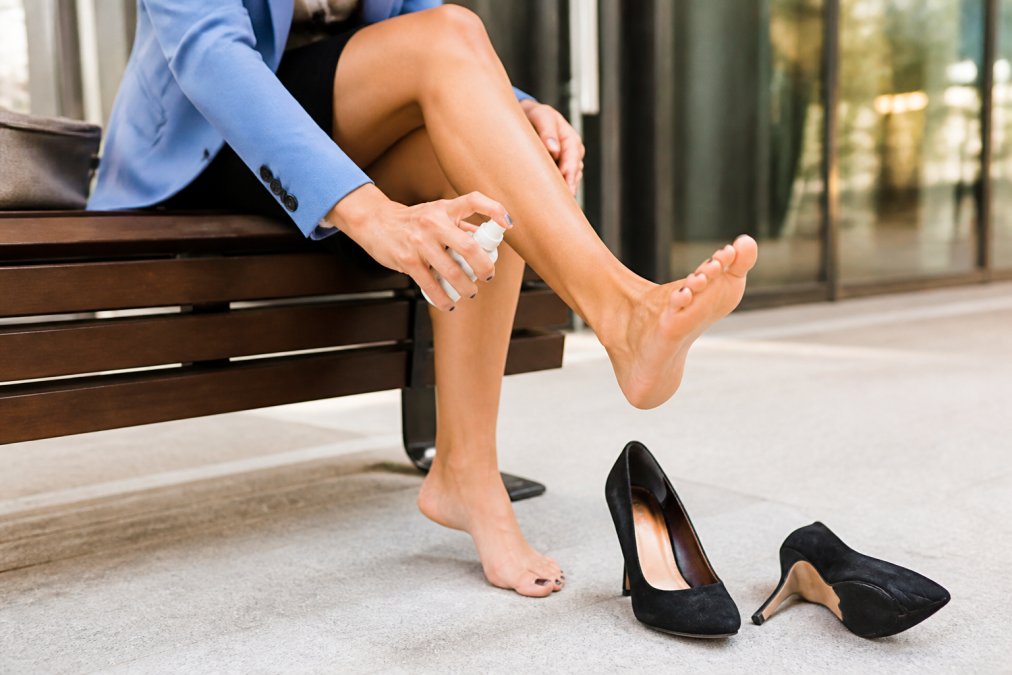
Step 1: Start with a Cooling, Non-Numbing Spray
Begin each day by applying a cooling foot spray formulated with menthol and anti-inflammatory botanicals. This step provides immediate relief while creating a protective baseline for hours of wear. Our top pick is Still Standing® Spray, which combines cooling menthol with plant-derived, anti-inflammatory ingredients to reduce swelling without deadening sensation. The Still Standing® Spray - Large bottle is ideal for your primary morning application, offering the most even coverage and longest-lasting comfort. It's paraben-free, cruelty-free, and made without numbing agents, so you keep full awareness of your footing.

Step 2: Choose Footwear That Works With Your Feet
Footwear material science matters more than most guides admit. Look for shoes with genuine cushioning in the metatarsal area, a wider toe box, and materials that allow natural foot movement. Moisture-wicking linings reduce friction and blister formation, while shock absorption in the sole eases the impact on your joints. If you're committed to heels, rotate heel heights throughout the week to vary the strain on your calf muscles and Achilles tendon.
Step 3: Stretch Before You Stand
Tight calf muscles and Achilles tendons amplify heel pain and plantar fasciitis symptoms. Spend two minutes stretching before you put weight on your feet. Stand facing a wall, place one foot behind you, and press the heel down for 30 seconds per leg. Follow with ankle circles and toe curls to activate the small muscles in your feet. Myofascial release using a foot roller or tennis ball can also help relieve tension.
Step 4: Use Inserts and Arch Support Strategically
Arch support isn't one-size-fits-all. Some feet need firm support under the arch, while others respond better to metatarsal pads or heel cups. If you have high arches, look for cushioned inserts that absorb shock. Flat feet often benefit from firmer support that prevents overpronation. The key is matching the insert to your foot's natural biomechanics rather than buying the most popular option. A podiatrist can assess your gait and recommend orthotics.
Step 5: Manage Swelling as It Happens
Swelling, or edema, builds gradually during long periods of standing. Don't wait until your feet feel tight and throbbing. Reapply your cooling spray every few hours to keep inflammation in check. The Still Standing® Spray - Mini fits in a clutch or pocket for discreet touch-ups during weddings, workdays, or events. When you have a break, elevate your feet for five minutes to encourage circulation and reduce fluid buildup.

Step 6: Modify Your Workspace, Not Just Your Shoes
This angle is often overlooked. If you stand at a desk or work station, an anti-fatigue mat can reduce pressure on your feet and lower legs. Position your work surface so you're not leaning forward, which shifts weight onto the balls of your feet. If you alternate between sitting and standing, use a footrest that lets you change positions throughout the day. Ergonomic adjustments to your environment often deliver more lasting relief than any product you put in your shoe. relieve foot pain.
Step 7: End the Day with Recovery
Your feet need active recovery after hours of standing. End each day with a cool or tepid foot soak with Epsom salt to reduce inflammation and soothe tired muscles. Follow with gentle stretching and a moisturizer that supports the skin barrier. Daily hygiene, including thorough drying between the toes, prevents fungal issues that compound discomfort. Consistent recovery habits reduce next-day stiffness and improve your standing tolerance over time.
How to Prevent Foot Pain from Standing All Day
Prevention requires understanding what causes foot pain from standing: sustained pressure on the metatarsal heads, restricted circulation, and cumulative inflammation. The daily foot care routine for comfort starts before you even put on shoes. Maintain a healthy weight to reduce pressure on your feet, choose supportive footwear even when you're not dressing up, and replace worn shoes before the cushioning breaks down.
Compression socks are a practical addition for many people who stand at work. They improve circulation and reduce swelling in the lower legs and feet. Research on compression therapy for occupational standing shows that graduated compression can reduce discomfort and fatigue in workers who stand for extended shifts. For those who experience severe swelling after only a couple of hours, combining compression with regular movement breaks and elevation often provides the most noticeable improvement.
What the Best High Heel Pain Relief Has in Common
High heel pain relief that actually works shares several characteristics. It targets inflammation rather than sensation, supports natural foot mechanics, and fits easily into a daily routine. The best high heel pain relief also acknowledges that you can't always choose flat shoes, so it prepares your feet for the demands of elevated heels.
Effective heel relief combines preparation, in-shoe support, and recovery. Preparation includes stretching and applying a preventive spray before you get dressed. In-shoe support means choosing heels with adequate cushioning and adding inserts that distribute pressure more evenly. Recovery involves the evening soak and stretch routine. This three-part approach is supported by products like the Still Standing® Spray Comfort Set: the large bottle covers your primary application, while the mini bottle handles touch-ups.

| Solution | Primary Benefit | Best Used | Frequency |
|---|---|---|---|
| Cooling non-numbing spray | Reduces inflammation, preserves sensation | Before and during wear | Every 3-4 hours |
| Arch support inserts | Corrects biomechanics, reduces strain | Daily in work shoes | Replace every 6 months |
| Compression socks | Improves circulation, reduces edema | During long standing shifts | Daily as needed |
| Epsom salt soak | Soothes muscles, supports recovery | Evening after long days | 3-4 times weekly |
The psychological impact of chronic foot pain is real. When every step hurts, it can overshadow an event you should be enjoying. Brides, performers, and professionals who know they'll be on their feet for hours deserve solutions that let them focus on the moment, not their aching arches.
When to See a Podiatrist Instead of Self-Treating
Safe foot relief has its limits. If you experience sharp heel pain that's worse in the morning, persistent numbness, or swelling that doesn't subside with elevation and rest, those are signs to consult a podiatrist. Conditions like plantar fasciitis, stress fractures, and nerve compression require professional diagnosis and treatment beyond what sprays and inserts can provide.
The American Academy of Orthopaedic Surgeons guidance on foot pain recommends seeking medical attention when pain interferes with daily activities, persists despite home treatment, or is accompanied by visible deformity. A podiatrist can perform a gait analysis, assess your foot structure, and recommend prescription orthotics or physical therapy. Self-treating a serious condition delays proper care and can worsen the underlying problem.
Your Daily Wear Comfort Plan
Putting it all together, your daily plan looks like this: apply a preventive cooling spray before dressing, choose shoes with proper cushioning and support, stretch before standing, reapply as needed throughout the day, modify your workspace to reduce strain, and finish with an evening recovery routine.
Suffering through foot pain isn't a badge of honor, and it isn't necessary. The psychological toll of anticipating pain at every event, from weddings to work presentations, diminishes the experiences you've worked for. With the right daily foot care routine for comfort, you can stand confidently, move freely, and actually enjoy being on your feet.
Frequently Asked Questions
Are there safe, non-numbing alternatives for foot pain relief?
Yes. Safe foot relief works by cooling and calming inflammation rather than blocking sensation. Cooling menthol and plant-derived anti-inflammatory ingredients reduce the swelling and discomfort that cause stiletto suffering. Products like Still Standing® Spray use this approach. They keep you comfortable without deadening feeling, so your body still tells you if a shoe is rubbing or your foot is in danger. This prevents the falls and injuries that numbing products can cause.
How can I prevent foot pain from standing all day?
Prevention starts before you put your shoes on. Apply a cooling comfort spray to clean, dry feet and let it absorb. Stretch your calves and toes for two minutes. Choose shoes with a wider toe box and cushioned insoles. During the day, shift your weight frequently and sit whenever possible. At the first sign of swelling, reapply your spray or elevate your feet. These steps stop the inflammation cycle before pain takes hold.
What is the best daily foot care routine for comfort?
A daily routine has three parts: morning prep, midday maintenance, and evening recovery. In the morning, wash and dry feet thoroughly, then apply a non-numbing comfort spray. Midday, reapply if you feel heat or tightness. In the evening, soak feet in cool water, massage with moisturizer, and stretch. This routine manages inflammation and keeps skin healthy. Consistency matters more than intensity, so build habits you can maintain daily.
How is a comfort spray different from gel inserts?
Inserts cushion your feet passively, but they do not address the inflammation and swelling that cause pain. A comfort spray like Still Standing® works actively by delivering cooling menthol and anti-inflammatory ingredients directly to the skin. It reduces the heat and fluid buildup that make feet ache. You can also use both together. The spray manages the internal discomfort while inserts provide external cushioning.
Will I still feel pain if the spray does not numb my feet?
You will feel pressure, but not the sharp, burning pain of inflamed tissue. Numbing agents block all sensation, which can mask real injuries. A non-numbing spray targets the source of the pain: swelling and inflammation. You stay aware of your feet, which helps you adjust your posture and avoid falls. For most wearers, the cooling effect is enough to make hours in heels comfortable without losing that protective awareness.
Still Standing® Spray was created to end "stiletto suffering" for good. Our non-numbing, cooling menthol formula with plant-derived anti-inflammatories helps you wear the shoes you love for hours without the dangerous falls associated with numbing products. The portable design means comfort goes wherever you do, and the 30-day money-back guarantee means you can try it with confidence. Get started with Still Standing® Spray and make foot pain a thing of the past.