
Table of Contents
- Why Your Feet Hurt: The Real Cause of Chronic Discomfort
- Step 1: Choose Supportive Footwear That Fits Your Life
- Step 2: Foot Pain Relief Exercises to Build Strength
- Step 3: How to Stop Feet from Hurting in Heels
- Step 4: Daily Habits for Long Lasting Foot Pain Prevention
- When to See a Doctor for Foot Pain
- Build Your Foot Care Routine
- Frequently Asked Questions
Last Updated: September 6, 2026
Why Your Feet Hurt: The Real Cause of Chronic Discomfort
Most people assume foot pain comes from the shoes themselves. The deeper issue is that your feet lack the conditioning to handle the demands you place on them. Long lasting foot pain prevention is about building resilience, not just buying softer insoles.
When you wear heels, your calf muscles shorten, your Achilles tendon tightens, and the plantar fascia along the bottom of your foot absorbs abnormal strain. Over time, this creates a cycle of inflammation and chronic pain that flat shoes alone won't fix. The good news? You can interrupt that cycle with intentional daily habits.
This guide covers the seven habits that matter most for lasting relief, from footwear choices to targeted exercises that strengthen the structures taking the most abuse.
Step 1: Choose Supportive Footwear That Fits Your Life
The foundation of foot pain prevention is wearing shoes that support your natural biomechanics. Properly fitting shoes should leave about half an inch of space between your longest toe and the shoe's end, and the heel should grip without slipping.
Look for these features when shopping:
- Arch support that matches your foot's natural curve
- A cushioned insole with adequate impact absorption
- A heel height you can maintain without shifting your gait
- Breathable fabrics that reduce moisture and friction
For heel wearers, rotate heel heights throughout the week. Alternating between flats, low heels, and your taller styles gives different muscle groups recovery time and reduces repetitive strain on the same tendons.
Step 2: Foot Pain Relief Exercises to Build Strength
Foot pain relief exercises are most effective when they target the specific structures that weaken from prolonged heel wear. Perform these three moves daily, ideally in the morning before you stand.
- Calf stretch: Stand facing a wall, step one foot back, and press the heel down for 30 seconds per side. This counteracts the shortening caused by elevated heels.
- Towel scrunches: Sit in a chair with a towel under your foot and curl your toes to pull it toward you. Repeat 15 times per foot to strengthen the intrinsic muscles.
- Marble pickups: Place marbles on the floor and lift them with your toes into a small bowl. This builds the arch muscles that support your foot's structure.
Consistency matters more than intensity. Five minutes of daily stretching and strengthening prevents the muscle fatigue and joint stiffness that accumulate over years of wearing heels.
Step 3: How to Stop Feet from Hurting in Heels
The most direct answer to how to stop feet from hurting in heels is to reduce friction and inflammation before pain begins, not after. Once the burning sensation starts, the tissue is already irritated and recovery takes longer. keep feet comfortable.
A practical pre-wear routine takes under two minutes. Start with clean, dry feet, then apply a cooling foot spray formulated with menthol and anti-inflammatory ingredients. Menthol creates a soothing sensation that interrupts pain signals without numbing, so you maintain natural foot awareness and stability.
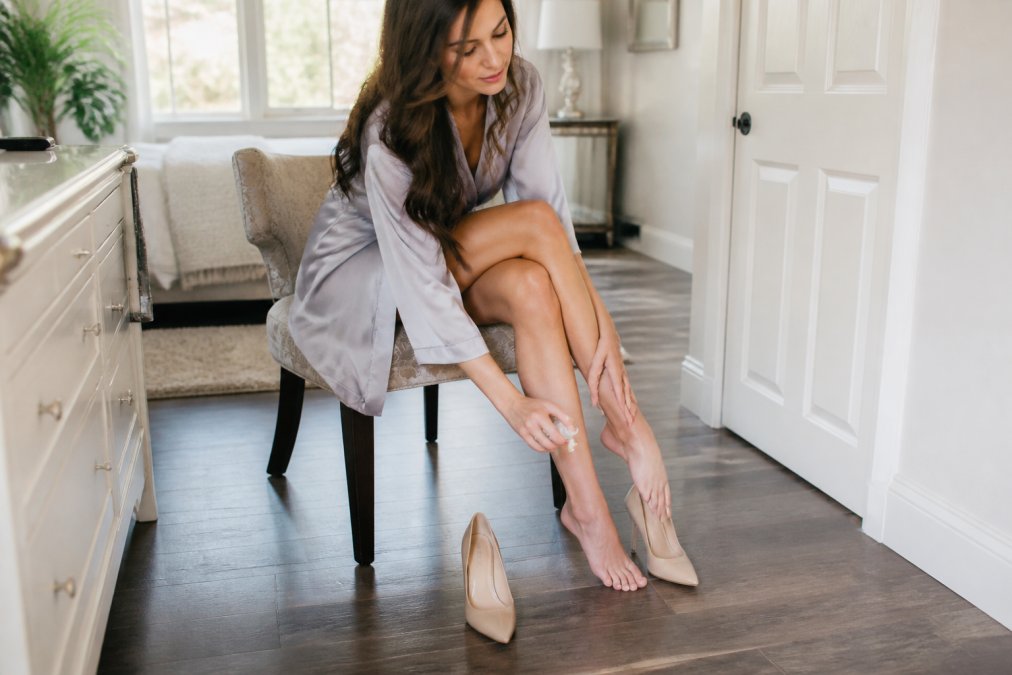
The Still Standing® Spray formula uses a non-numbing approach that prevents pain while keeping your balance reflexes intact. This matters because numbing agents can mask injury signals and increase fall risk. The portable bottle fits in a clutch, making it practical for touch-ups during long events.

Step 4: Daily Habits for Long Lasting Foot Pain Prevention
Long lasting foot pain prevention extends beyond the days you wear heels. What you do on off days determines how your feet perform when you need them most.
Build these habits into your regular routine:
- Ice therapy: After extended heel wear, roll a frozen water bottle under each foot for 10 minutes. Cold therapy reduces inflammation and mimics a massage.
- Elevation: Prop your feet above heart level for 15 minutes each evening to reduce swelling and improve circulation.
- Toenail care: Trim nails straight across and keep them short to prevent ingrown toenails that make any shoe painful.
- Weight management: Maintaining a healthy weight reduces the load your feet carry with every step.
- Compression socks: On rest days or long flights, compression therapy improves blood flow and reduces fluid buildup.
These habits work together. Ice addresses acute inflammation, elevation manages swelling, and consistent nail care prevents secondary problems that derail your routine.
| Habit | Frequency | Time Needed | Primary Benefit |
|---|---|---|---|
| Calf stretches | Daily | 2 minutes | Reduces tendon tightness |
| Towel scrunches | Daily | 3 minutes | Strengthens foot muscles |
| Ice rolling | After heel days | 10 minutes | Lowers inflammation |
| Elevation | Evening | 15 minutes | Reduces swelling |
| Toenail care | Weekly | 5 minutes | Prevents ingrown nails |
When to See a Doctor for Foot Pain
While daily prevention resolves most discomfort, certain symptoms require professional evaluation. See a podiatrist or physician if you experience persistent pain lasting more than two weeks despite consistent care, or if you notice visible deformity, numbness, or pain that worsens with rest rather than improving.
These signs may indicate structural issues like plantar fasciitis, stress fractures, or nerve compression that need medical treatment. Early intervention prevents minor problems from becoming chronic conditions that limit your mobility.
According to guidance from the American Podiatric Medical Association, foot pain that interferes with daily activities warrants professional assessment rather than continued self-treatment. Similarly, the CDC's physical activity guidelines emphasize that maintaining mobility through proper foot care supports overall health, and research on footwear and foot health highlights the long-term consequences of poorly fitting shoes.
Build Your Foot Care Routine
Foot pain prevention is not complicated, but it does require consistency. The seven habits in this guide, from choosing supportive footwear to daily stretching and smart pre-wear preparation, create a system that protects your feet over years of heel wearing.
Start with the habits that address your biggest pain points. If swelling is your main issue, focus on elevation and cold therapy. If arch pain dominates, prioritize the strengthening exercises. Add one habit at a time until the full routine feels automatic.
Frequently Asked Questions
What are the most effective home remedies for aching feet?
Effective home remedies include soaking your feet in cool water with Epsom salt to reduce inflammation, applying a cold pack for 15 minutes to ease swelling, and elevating your feet above heart level to improve circulation. Daily stretching of the calves and plantar fascia, along with rolling the arch over a frozen water bottle, also provides relief. For immediate comfort, a non-numbing spray can help you stay on your feet longer.
How can I prevent foot pain when wearing high heels?
To prevent foot pain in heels, start by choosing shoes with a lower, wider heel and adequate arch support. Break in new shoes gradually. Before wearing them, spray your feet with a non-numbing comfort spray like Still Standing to reduce inflammation. During the event, take breaks to stretch your calves and toes. Strengthening your feet with towel curls and calf raises twice a week also builds resilience.
Can proper footwear really prevent long-lasting foot pain?
Yes, proper footwear is the single most important factor in long lasting foot pain prevention. Shoes that are too tight, lack arch support, or have worn-out soles force your feet to compensate, leading to overuse injuries and chronic pain. Look for shoes with a roomy toe box, good cushioning, and firm heel support. Replace athletic shoes every 300-500 miles to maintain their shock-absorbing properties.
When should I see a doctor for chronic foot pain?
See a doctor if foot pain lasts more than two weeks despite home care, if you have severe swelling or redness, or if you experience numbness or tingling. Pain that prevents you from walking normally or that worsens over time also warrants a professional evaluation. A podiatrist can diagnose underlying issues like plantar fasciitis or stress fractures and recommend custom orthotics or a treatment plan.
Foot pain should not be the price of looking good. Still Standing® Spray's non-numbing, cooling menthol formula helps you wear your favorite heels comfortably, with a portable design for touch-ups anywhere and a 30-day money-back guarantee. Add Still Standing® Spray to your routine and keep your feet happy from the first step to the last dance.