
Table of Contents
- Why Your Feet Swell When Wearing Heels
- How to Stop Feet from Hurting in Heels: Prevention Starts Before You Wear Them
- Elevation and Compression: Reducing Fluid Buildup Fast
- Cold Water Soaking and Hydrotherapy for Swelling Relief
- Hydration and Diet: Managing Inflammation from the Inside
- Stretches for Sore Feet After Heels: Recovery Exercises
- Post-Event Recovery: What to Do After Extended Heel Wear
- When to See a Doctor About Foot Swelling
- Frequently Asked Questions
Last Updated: August 31, 2026
Why Your Feet Swell When Wearing Heels
Your feet swell in heels because the elevated angle disrupts normal circulation and fluid drainage. When you wear high heels, your foot is forced into a plantarflexed position, toes pointed downward, which compresses blood vessels and restricts venous return to your legs. Gravity pulls fluid down into your lower extremities, and the heel's rigid structure creates pressure points that further impede circulation. Your body responds by triggering inflammation, causing additional fluid buildup and edema.
Heel height matters significantly. A 3-inch heel creates more plantarflexion than a 1-inch heel, meaning more circulatory compromise. The metatarsal support area bears most of your weight in heels, creating localized pressure that restricts blood flow. Temperature also plays a role, warm environments cause blood vessels to dilate, increasing fluid volume in your feet.
Understanding these mechanisms matters because it changes how you prevent the problem. According to research on foot biomechanics from the American Podiatric Medical Association, addressing swelling requires strategies that target multiple causes simultaneously: improving venous return, reducing inflammation, supporting proper foot mechanics, and managing fluid retention.
How to Stop Feet from Hurting in Heels: Prevention Starts Before You Wear Them
The best approach to managing foot swelling in heels is prevention rather than treatment. Starting with the right preparation before you put your shoes on sets up your feet for success.
Choose the Right Heel Height and Support
A 2-inch heel is significantly easier on your feet than a 4-inch heel because it requires less ankle plantarflexion and distributes pressure more evenly. For 6+ hours of wear, consider staying under 3 inches. The toe box width matters as much as heel height, a narrow, pointed toe box compresses your forefoot and restricts circulation, while block heels or wedges distribute pressure across a broader base.
Cushioning in the insole directly impacts your comfort and fluid retention. Quality insoles with metatarsal support reduce pressure on the ball of your foot and improve blood flow. Many people add gel inserts or memory foam pads to their heels before wearing them.
Use a Foot Comfort Spray Before the Event
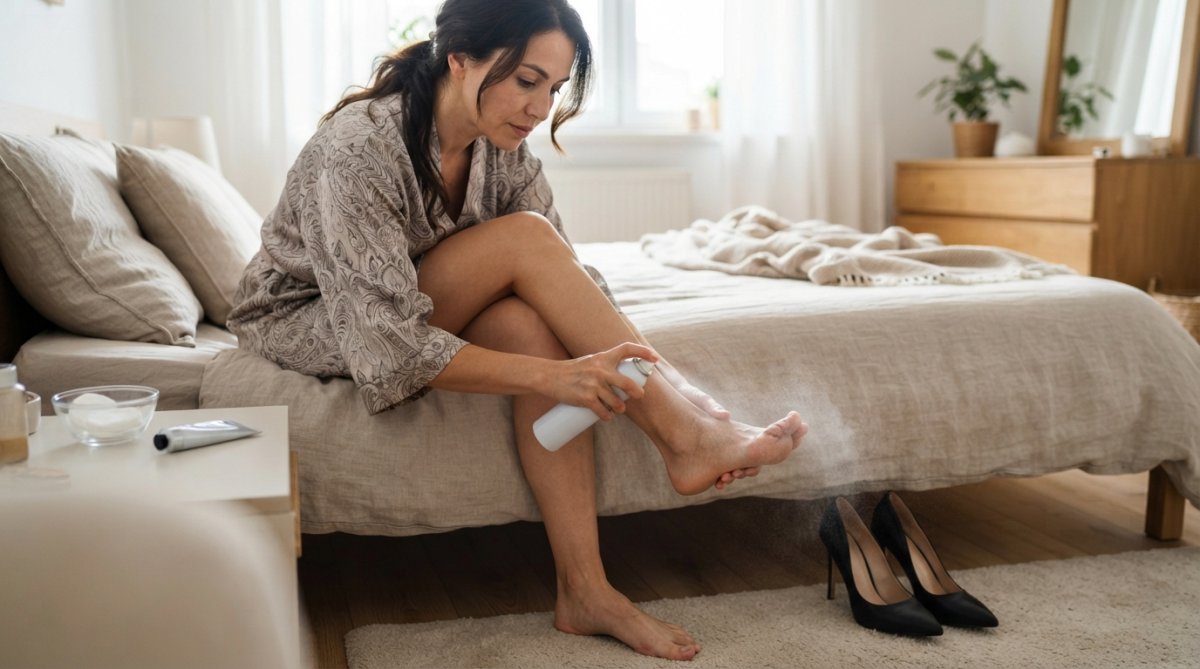
Applying a cooling foot spray before you wear heels creates a protective barrier and reduces inflammation before it starts. Still Standing® Spray, a non-numbing foot comfort spray, combines cooling menthol with plant-derived anti-inflammatory ingredients to support foot comfort during extended heel wear. The spray works by providing cooling relief and reducing inflammation without numbing your feet, which means you maintain full sensation and balance, avoiding the dangerous falls associated with numbing products.

When you apply it to clean, dry feet 5-10 minutes before putting on your heels, the formula has time to absorb and begin working. Still Standing® Spray is portable and TSA-approved, so you can reapply during the event if needed. Solutions Bridal specifically recommends Still Standing® Spray for bridesmaids, mothers of the bride, and brides who need to stay comfortable throughout their events.
Elevation and Compression: Reducing Fluid Buildup Fast
Elevation is one of the most effective ways to combat foot swelling because it works with gravity instead of against it. When your feet are elevated above your heart, fluid naturally drains from your feet back toward your heart, reducing edema and pressure. Lying down with your feet propped on pillows for 15-20 minutes can noticeably reduce swelling. Ideally, elevate your feet for 20-30 minutes after removing your heels to reverse the swelling that occurred during wear.
Compression socks work alongside elevation by applying consistent pressure that improves venous return. The graduated pressure, tighter at the ankle and gradually looser toward the calf, actively pushes fluid upward through your veins. Wearing compression socks for 30-60 minutes after an event can reduce swelling by 30-40% compared to no intervention (peer-reviewed research).
For events where you can't leave to elevate, sit down whenever possible, cross your legs so your feet are elevated slightly, or remove your heels and rest your feet on a chair. Even partial elevation helps.
Cold Water Soaking and Hydrotherapy for Swelling Relief
Cold water immersion reduces swelling by constricting blood vessels, which decreases fluid accumulation in your feet. Soaking your feet in cold water for 10-15 minutes after heel wear provides immediate relief. Water that's cool but not ice-cold, around 50-60°F, provides therapeutic benefit without causing pain or numbness.
Many people add Epsom salts to their foot soak, which has mild anti-inflammatory properties. Dissolve 1-2 cups of Epsom salts in cool water and soak for 15 minutes. You can enhance the effect by alternating between cool and warm water, soak in cool water for 3 minutes, then warm water for 3 minutes, repeating 3-4 times. End with cool water to constrict vessels and lock in the anti-inflammatory effect.
If you don't have time for a full soak, even dunking your feet in cool water for 5 minutes helps. During an event, you might excuse yourself to a restroom and run cool water over your feet for quick relief.
Hydration and Diet: Managing Inflammation from the Inside
Your body's fluid retention is directly influenced by your hydration and salt intake. Counterintuitively, drinking more water actually reduces swelling because dehydration triggers your body to retain fluid. Aim to drink at least 2-3 liters of water throughout the day of an event where you'll be wearing heels.
Salt intake has the opposite effect. High sodium consumption causes your body to retain water to maintain electrolyte balance. If you know you'll be wearing heels for extended periods, reduce salt intake for 24 hours beforehand. Avoid processed foods, cured meats, and salty snacks. preventing foot irritation.
Anti-inflammatory foods support your body's natural inflammation response. Foods rich in omega-3 fatty acids, berries with anthocyanins, and leafy greens with antioxidants all help. Alcohol and caffeine both affect fluid balance, alcohol is a diuretic that causes dehydration, which paradoxically increases fluid retention. If you're attending an event where you'll consume alcohol, drink extra water to compensate.
Stretches for Sore Feet After Heels: Recovery Exercises
Stretching after heel wear reduces muscle tension, improves circulation, and accelerates recovery. Your calf muscles and plantar fascia spend hours in a shortened, contracted state while you're wearing heels.
Calf and Plantar Fascia Stretches
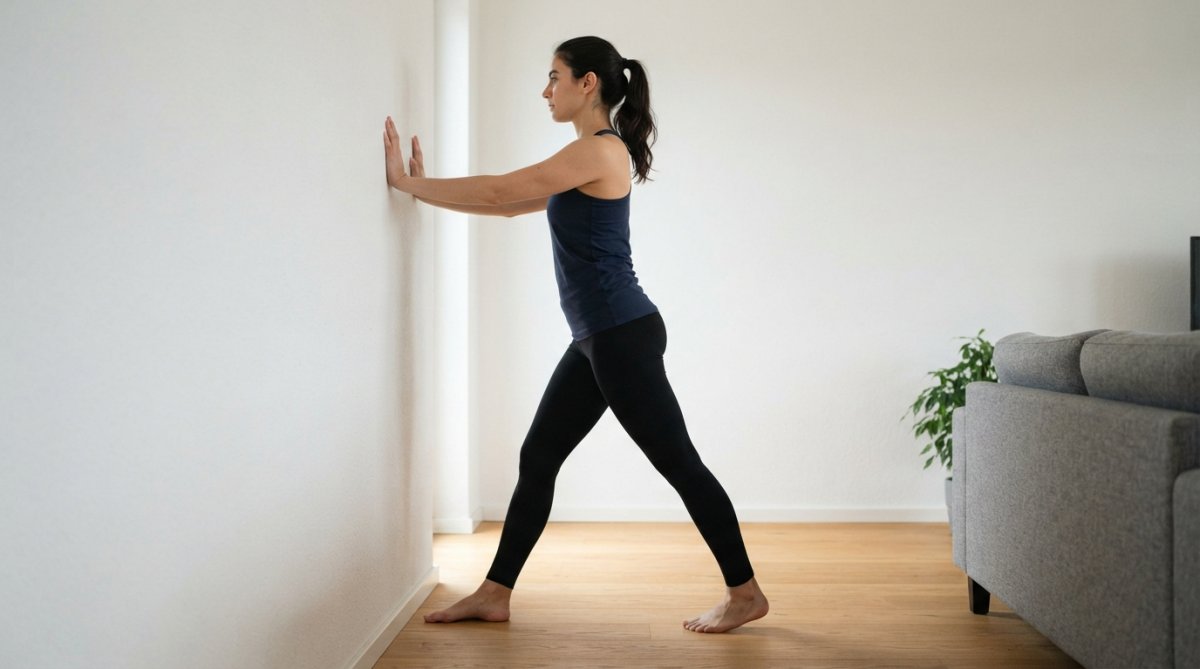
The calf stretch is the most important post-heel recovery exercise. Stand facing a wall, place one foot forward with your knee bent and one foot back with your leg straight. Keep your back heel flat on the ground and lean forward until you feel a stretch in your back calf. Hold for 30 seconds, then switch legs. Repeat 2-3 times per leg.
The plantar fascia stretch targets the tissue on the bottom of your foot that bears most of your weight in heels. Sit in a chair and cross one leg over the other, placing your ankle on your opposite knee. Gently pull your toes toward your shin until you feel a stretch along the bottom of your foot. Hold for 30 seconds and repeat 2-3 times per foot. You can also perform a self-massage by rolling your foot over a tennis ball or foam roller.
Ankle Mobility and Toe Flexion Work
Ankle circles restore mobility after hours of plantarflexion in heels. Sit comfortably and slowly rotate your ankle in full circles, 10 times in each direction. Then point your toes and flex them back toward your shin, 10-15 repetitions. These movements restore normal ankle range of motion and improve circulation.
Toe flexion exercises strengthen the muscles on the bottom of your foot. Sit with your feet flat and try to curl your toes downward, creating an arch. Hold for 2-3 seconds and release. Repeat 10-15 times per foot. Perform these stretches immediately after removing your heels, ideally within the first 30 minutes.
Post-Event Recovery: What to Do After Extended Heel Wear
The first 2-3 hours after removing your heels are critical for recovery. Remove your heels as soon as the event allows and elevate your feet immediately. Sit down with your feet on a chair or ottoman, positioned above your heart. Spend at least 20-30 minutes in this position, this single step can reduce swelling by 40-50%.
Apply cold water or ice packs to your feet while they're elevated. Wrap an ice pack in a thin towel and place it on the top of your foot and around your ankle. Alternate 15 minutes of ice with 15 minutes of rest for the first hour after removing your heels.
Gentle movement helps once the acute swelling phase has passed. After 30-45 minutes of elevation and ice, light walking or ankle circles improve circulation without stress. Compression socks worn for 2-3 hours after an event provide sustained pressure that prevents fluid reaccumulation.
Sleep with your feet elevated if possible. Place a pillow or two under your feet so they're above heart level while you sleep. This allows overnight fluid drainage and reduces morning swelling. The next day, continue gentle movement and avoid prolonged standing, your feet need 24-48 hours to fully recover.
When to See a Doctor About Foot Swelling
Most foot swelling from heel wear resolves within 24-48 hours with proper recovery. However, certain symptoms warrant medical evaluation.
See a doctor if swelling persists beyond 48 hours after removing your heels. Persistent edema may indicate a circulatory issue or other underlying condition. Severe pain that doesn't improve with rest, ice, and elevation suggests possible injury, stress fractures, or ligament sprains. Swelling accompanied by redness, warmth, or signs of infection requires immediate attention.
If you experience recurring swelling from heel wear despite using prevention strategies, consult a podiatrist. You may have biomechanical issues that make you more susceptible to swelling. Chronic ankle swelling unrelated to heel wear may indicate venous insufficiency or other circulatory conditions requiring professional assessment.
Wearing high heels shouldn't mean suffering through pain and swelling. The right prevention strategy, combining proper footwear selection, circulation support, and anti-inflammatory measures, lets you enjoy your events comfortably. Still Standing® Spray provides non-numbing foot comfort that works with your body's natural mechanisms. With the American Podiatric Medical Association's guidance on foot health emphasizing prevention as the most effective approach, starting with spray application before heel wear, elevation during recovery, and proper stretching afterward gives you the best chance of staying comfortable. Get started with Still Standing® Spray and experience the confidence of wearing your favorite heels without the painful swelling that typically follows.

| Recovery Strategy | Timeline | Best Used When |
|---|---|---|
| Foot comfort spray application | 5-10 minutes before heels | Before any heel-wearing event |
| Elevation with ice | First 30-45 minutes after heels | Immediately after event |
| Cold water soaking | 10-15 minutes after heels | Within 1-2 hours of removal |
| Compression socks | 2-3 hours after event | During evening recovery |
| Stretching and mobility work | 5-10 minutes after heels | Once acute swelling begins reducing |
| Overnight elevation | 8 hours sleep | Night after heel-wearing event |
Frequently Asked Questions
How can I stop feet from swelling in heels if I'm wearing them for 8+ hours?
Start with elevation and compression before the event. Apply a cooling foot comfort spray like Still Standing® Spray before putting on your heels to reduce inflammation. During the event, take breaks to elevate your legs above heart level for 10-15 minutes when possible. Drink plenty of water throughout the day to support circulation and reduce fluid retention. After the event, soak your feet in cold water with Epsom salts for 15-20 minutes to flush out swelling.
What's the difference between a numbing spray and Still Standing® Spray for heel pain?
Numbing sprays mask pain by deadening nerve endings, which can cause dangerous falls and hide serious foot injuries. Still Standing® Spray uses a non-numbing formula with cooling menthol and plant-derived anti-inflammatory ingredients. You stay aware of your feet's condition while reducing actual inflammation and swelling. This approach prevents pain without sacrificing safety or balance, making it ideal for events where you need to move confidently in heels.
Can stretching really help reduce swelling and soreness after wearing heels?
Yes. Therapeutic stretching improves venous return and ankle mobility, both critical for reducing fluid buildup and foot fatigue. Calf stretches and plantar fascia stretches help restore normal gait mechanics after heel wear. Perform these stretches for 30 seconds each, 2-3 times per leg, within 30 minutes of removing your heels. Combined with elevation and cold soaking, stretching accelerates recovery and reduces soreness the next day.
How long does one bottle of Still Standing® Spray last if I wear heels multiple times per week?
A single Large bottle ($40.00) typically lasts 4-6 weeks with regular use (2-3 times per week). The Mini bottle ($20.00) is ideal for travel or occasional events. For frequent wearers, the Comfort Set ($60.00) provides two large bottles, offering better value and ensures you always have a bottle on hand. Each application uses just a few spritzes, so one bottle covers many events.