
Table of Contents
- Why High Heels Wear Out Faster Than They Should
- How to Break in New Heels the Right Way
- Daily Habits That Make Heels Last Longer
- Material-Specific Care: Leather, Suede, and Patent
- Protect the Soles and Heel Tips
- How to Wear High Heels Comfortably for Hours
- The Best Foot Comfort Spray for Heels: A Smart Investment
- When to See a Professional Cobbler
- Frequently Asked Questions
Why High Heels Wear Out Faster Than They Should
Most women don't realize that the way a shoe fails says more about how it's worn than how it's built. A stiletto that scuffs at the toe, loses its heel tip, or develops a cracked sole isn't necessarily cheaply made. It's often being asked to perform under conditions that guarantee premature wear. The friction of walking on hard pavement, the repeated flexing at the ball of the foot, and exposure to moisture all break down materials faster than any single night out should.
Understanding how to make heels last longer starts with recognizing these stress points. The heel tip absorbs the brunt of every step, the sole takes constant abrasion, and the upper leather or synthetic material stretches and strains with each stride.
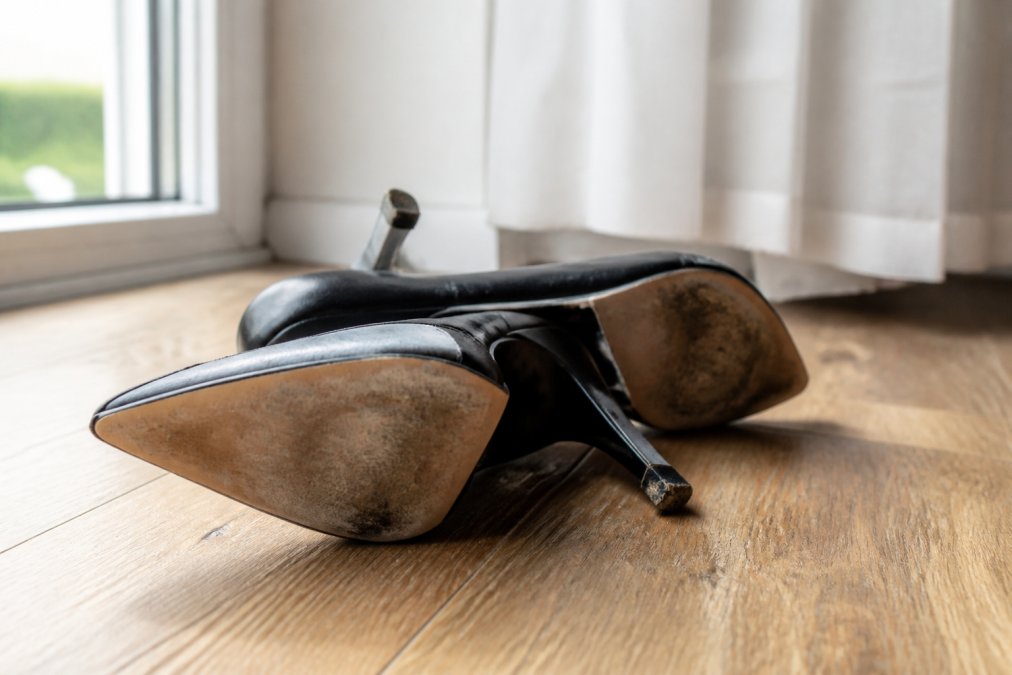
The good news is that most of this damage is preventable. Shoe maintenance isn't complicated, but it does require consistency. A few minutes of attention after each wear will extend the life of your favorite pairs dramatically, saving you money and keeping your go-to heels in rotation for years rather than months.
How to Break in New Heels the Right Way
The most common mistake women make with new heels is wearing them straight into a full day or night out. That's a recipe for blisters, pain, and a stretched-out shoe that never fits quite right again. Breaking in new heels is a gradual process that protects both your feet and the shoe's structure.
Start by wearing your new heels around the house for short periods, 15 to 30 minutes at a time, over several days. This allows the materials to soften and mold to your foot shape without the pressure of constant walking. For leather shoes, a quality leather conditioner applied before your first wear will speed up the softening process significantly. For how to break in new heels effectively, focus on the areas that typically rub: the back of the heel and the toe box.
Daily Habits That Make Heels Last Longer
Longevity isn't about occasional deep cleaning. It's about the small habits you practice every time you take your heels off. Building these into your routine is the real answer to how to make heels last longer without constant repairs.
Rotate Your Footwear Collection
Wearing the same pair of heels every day is the fastest way to destroy them. Your shoes need time to air out and recover their shape between wears. Moisture from your feet gets trapped inside, weakening the materials and causing odor. Rotating between at least two or three pairs gives each shoe time to dry completely and prevents any single pair from bearing the full load of your week.
Use Shoe Trees and Proper Storage
Shoe trees are the single best investment for maintaining heel structure. They hold the shoe's shape, absorb moisture, and prevent the toe from curling upward. Cedar shoe trees also naturally deodorize. When you're not wearing your heels, store them upright in a cool, dry place away from direct sunlight, which can fade and dry out materials.
Material-Specific Care: Leather, Suede, and Patent
Each material your heels are made from demands a different care routine. Treating patent leather like suede, or vice versa, can cause permanent damage. Learning the specific needs of your shoes is essential footwear maintenance.
Leather is the most forgiving. It responds well to regular conditioning with a leather-specific product, which keeps the material supple and prevents cracking. Suede requires a different approach: a suede brush to lift the nap and remove surface dirt, plus a protective spray to repel water and stains. Patent leather has a high-gloss finish that scratches easily; wipe it gently with a damp cloth and use a patent-specific polish to maintain the shine. For synthetic materials, a simple damp cloth wipe-down usually suffices, but check the manufacturer's care instructions.
Protect the Soles and Heel Tips
The parts of your heel that touch the ground wear out first, and they're also the cheapest to fix. Sole protection and heel tip replacement are two of the smartest moves you can make for longevity. A cobbler can add a thin rubber sole guard to the bottom of your heels, which protects the original sole from abrasion and provides better traction on slick floors. extending clothing lifespan.
Sole Guards: Types and Trade-offs
Not all sole guards are created equal. The most common options are:
- Vibram® rubber half-soles: These are thin, flexible, and provide excellent grip. They're ideal for leather-soled heels because they protect the delicate leather from moisture and scuffs while adding traction. Many cobblers recommend them for dress shoes worn on urban pavement.
- Full rubber soles: If your heels have a leather sole that's already worn thin, a full rubber sole replacement can extend the shoe's life by years. This is a more invasive procedure but often costs less than half the price of a new pair of quality heels.
- Clear adhesive guards (DIY): Products like Solemates or Crep Protect offer peel-and-stick guards you can apply at home. They're a budget-friendly option (around $10-$15 per pair) but they don't conform as well to curved soles and may peel off after a few wears. They're best for occasional wear, not daily use.
A professional cobbler will typically charge between $20 and $50 for a pair of rubber half-soles, depending on the material and your region. That's a fraction of the cost of replacing a pair of $100+ heels.
Heel Tips: Know When to Replace
Heel tips, those small caps at the base of the stiletto, wear down quickly on pavement. Many women don't realize these are replaceable. A cobbler can swap worn heel tips for new ones in minutes for a small fee, effectively giving your shoes a new lease on life.
But how do you know when it's time? A general rule: if you can see the metal shaft (the thin rod inside the heel) or if the tip has worn down to less than 1/8 inch, replace it immediately (the CDC). Walking on the metal shaft can damage the heel's internal structure, leading to wobble or even snapping.
Cobblers offer two main types of heel tips:
- Plastic or nylon tips: These are standard and affordable, but they wear down faster on rough surfaces.
- Hardened metal tips (often with a rubber core): These last longer and are ideal for outdoor wear. They cost a bit more but reduce the frequency of replacements.
Ask your cobbler to install metal or hardened plastic heel taps when you buy a new pair of expensive heels. Doing this before the original heel tip shows wear is more effective and often cheaper than waiting for damage to occur.
The Cobbler Advantage
While DIY sole guards and heel tip replacements exist, a professional cobbler brings expertise and tools that ensure the repair holds. They can also spot early signs of structural weakness, like loose heel blocks or separating soles, that you might miss. Building a relationship with a good cobbler is one of the smartest moves any high-heel wearer can make. Regular professional maintenance, combined with the daily habits outlined here, ensures your heels remain structurally sound for years.
How to Wear High Heels Comfortably for Hours
Comfort and longevity go hand in hand. When your feet hurt, you walk differently, putting uneven stress on your shoes and increasing the risk of damage. Learning how to wear high heels comfortably isn't just about your feet; it's about protecting the shoes themselves.
Arch support is the foundation. Many high heels offer almost none, forcing your foot into an unnatural position that causes pain and instability. Adding arch support insoles or gel pads inside the shoe provides cushioning and distributes your weight more evenly. This reduces friction, which is the primary cause of blisters and rubbing, and helps you maintain better posture and stability while walking.
The Best Foot Comfort Spray for Heels: A Smart Investment
Beyond physical shoe care, your feet themselves need attention if you want to wear heels for extended hours without pain. This is where a foot comfort spray becomes a valuable addition to your routine. The best foot comfort spray for heels is one that prevents discomfort at the source without masking the pain through numbing agents.
Still Standing® Spray stands apart because its non-numbing formula safely prevents foot pain while keeping your natural awareness intact. You stay comfortable and confident without the dangerous loss of sensation associated with other products. It's a portable, TSA-approved solution that fits easily in your clutch or carry-on, making it ideal for weddings, long workdays, and travel. The 94% user satisfaction rate, along with features in The Zoe Report's coverage of event-ready foot care, speaks to its effectiveness for women who refuse to choose between style and comfort.
When to See a Professional Cobbler
There's a limit to what at-home care can achieve. Knowing when to visit a professional cobbler is the difference between a shoe that lasts a decade and one that falls apart after a season. Cobbler maintenance is an investment in your footwear's long-term structural integrity.
Signs You Need a Cobbler Now
Some issues are beyond DIY fixes. Take your heels to a cobbler if you notice any of the following:
- Heel wobble: If the heel feels loose or shifts side-to-side when you walk, the internal nail or screw may be failing. Walking on a wobbly heel can cause it to snap, leading to a fall or permanent damage.
- Sole separation: If the sole is peeling away from the upper at the toe or ball of the foot, moisture and dirt can get inside, rotting the materials. A cobbler can re-glue and stitch the sole back securely.
- Worn heel tips down to the metal shaft: As mentioned, this is a red flag. The metal shaft can damage the heel's internal structure if you continue walking on it.
- Cracked or broken shank: The shank is the rigid piece inside the sole that provides arch support. If you feel a sharp point or the shoe bends in the middle instead of at the ball, the shank is broken. This requires professional replacement.
- Frayed stitching: Loose threads on straps or seams can unravel quickly. A cobbler can re-stitch them before they cause the shoe to fall apart.
What a Cobbler Can Do (and What It Costs)
A skilled cobbler can perform a range of repairs that extend the life of your heels:
- Re-heeling: Replacing worn heel tips or the entire heel block. Costs typically range from $15 to $40 per pair, depending on the material and heel type.
- Re-soling: Replacing the entire sole, often with a durable rubber or leather option. This can cost $50 to $100, but it's still less than buying a new pair of designer heels.
- Stretching: If your shoes are too tight, a cobbler can stretch them professionally using a shoe stretcher, which is more effective than DIY methods and won't damage the material.
- Replacing linings and straps: Worn linings can cause blisters, and broken straps can make a shoe unwearable. Cobblers can replace both, often for under $50.
Many cobblers also offer preventive services, such as adding rubber sole guards or metal heel taps before you even wear a new pair. This proactive approach can save you money in the long run.
How to Find a Good Cobbler
Not all cobblers are equal. Look for one who specializes in high-end or designer shoes, as they'll have experience with delicate materials and complex heel structures. Check online reviews, ask for recommendations from shoe boutiques, or visit the Shoe Service Institute of America's directory to find certified professionals. A good cobbler will inspect your shoes, explain the repair options, and give you a clear price estimate before starting work.
Frequently Asked Questions
How long does it take to break in new heels?
Expect to spend 3 to 5 days breaking in a new pair of heels. Start by wearing them around the house for 15 to 30 minutes each day. Focus on areas that rub, and use a hairdryer on low heat over thick socks to gently stretch tight spots. This gradual process helps the materials mold to your feet without damaging the shoe's structure, making the initial wear much more comfortable.
How can I make my heels last longer on a daily basis?
Rotate your shoes instead of wearing the same pair daily. This gives the materials time to recover and prevents excessive wear in one spot. Always store them with shoe trees to maintain shape. Regularly check the heel tips for wear and replace them before they wear down to the plastic. Adding a foot comfort spray before wear can also reduce friction, protecting both your feet and the shoe's lining.
What is the best way to protect the soles of new high heels?
Take new heels to a cobbler to have thin rubber sole guards applied. This is the most effective way to protect delicate leather soles from moisture and abrasion. For a quick at-home solution, you can lightly scuff the sole with fine-grit sandpaper to improve grip, but it will not protect the material. Sole guards are a small investment that significantly extends the life of your favorite pairs.
How does a foot comfort spray help my heels last longer?
A quality foot comfort spray reduces friction and prevents blisters before they form. When your feet are comfortable, you walk with a more natural gait, which reduces the uneven stress that can damage shoe structure. It also prevents you from kicking off your shoes or walking awkwardly, which are common causes of scuffs and premature wear.